
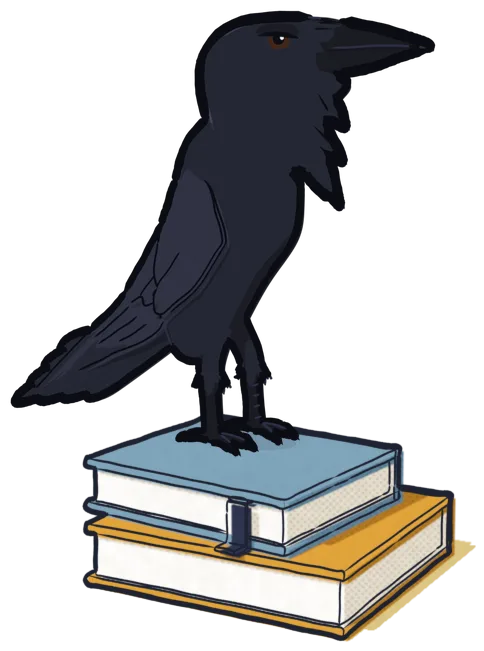
tak
roof
The a in this recording lasts 0.31 seconds.
A long a, made further back
The long a is darker. Open the mouth, pull the tongue back and round the lips a little. Hold the sound.
Pronunciation practice for iPhone
Hear a native speaker say an everyday word. Say it yourself. Shablau scores each sound and shows you which one to change, and how to make it.
In TestFlight testing on iPhone, iOS 26 or later. Not in the App Store yet.
One word, two tries
This is an example with the word kaffe (coffee). The scores are made up for this page. The tip is the app's own text for this mistake.
kaffe
coffee
First try
What to change a · 38
Your a was long and at the back of the mouth, as in “tak”. In “kaffe” the a is short and at the front, followed by a long consonant.
Again
Lowest sound a 38 · pass line 80
3 of 4 sounds right
Second try
Shablau!
Lowest sound a 92 · pass line 80
First pass on this word
How it works
A practice round has 10 words. You do the same three steps for each word, as many times as you want.
Step 1
Tap Hear a native to play a native Swedish speaker saying the word. Play it as often as you like.
Step 2
Tap Record, say the word once, then tap Stop. The app compares your take with recordings of native Stockholm speakers.
Step 3
The app marks the sound with the lowest score and describes how to make it. Tap Both to hear the native take and yours one after the other, then try again.
A take that is too quiet, too short or distorted gets no score. It never counts as a fail.
The sounds that matter
In Swedish, a long vowel and a short vowel can make two different words. Tak means roof. Tack means thanks. Listen to both.
tak
roof
The a in this recording lasts 0.31 seconds.
The long a is darker. Open the mouth, pull the tongue back and round the lips a little. Hold the sound.
tack
thanks
The a in this recording lasts 0.09 seconds.
The short a is brighter and more open. Keep it short, and hold the k after it a little longer.
Shablau measures whether the stressed vowel in your take was long or short. Length counts toward the score only on words where the app has enough native recordings to test it.
Recordings on this page: Lexin pronunciation recordings, Institutet för språk och folkminnen (Isof), under CC BY 4.0.
In the app
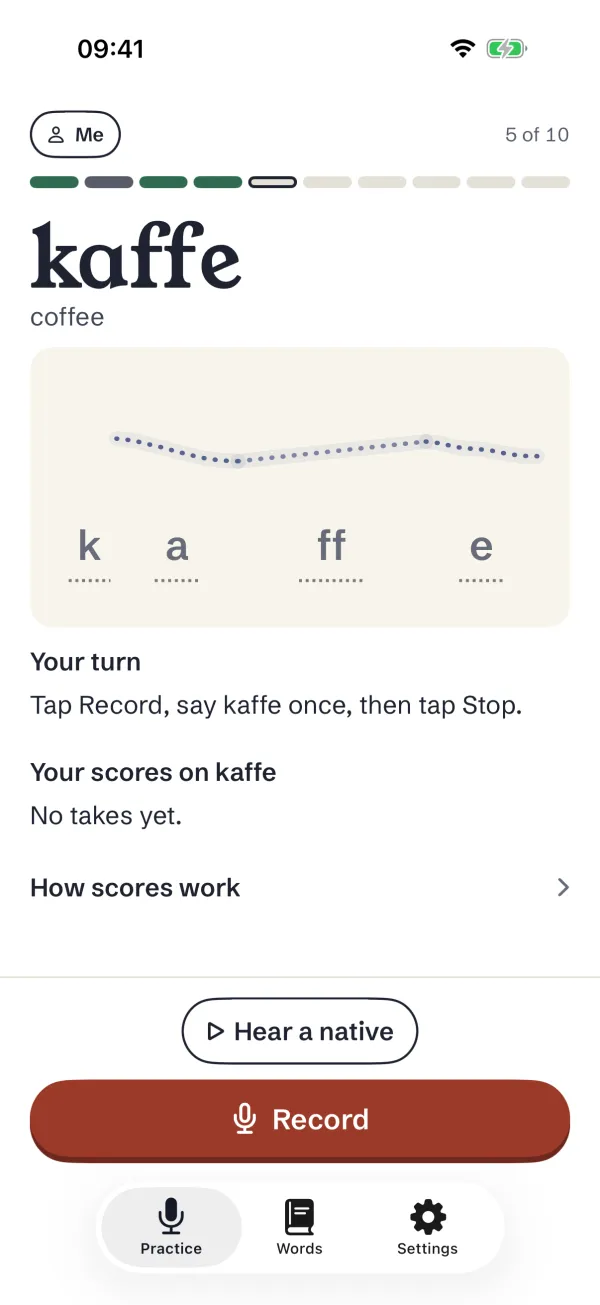
Your turn. Hear a native, then record.
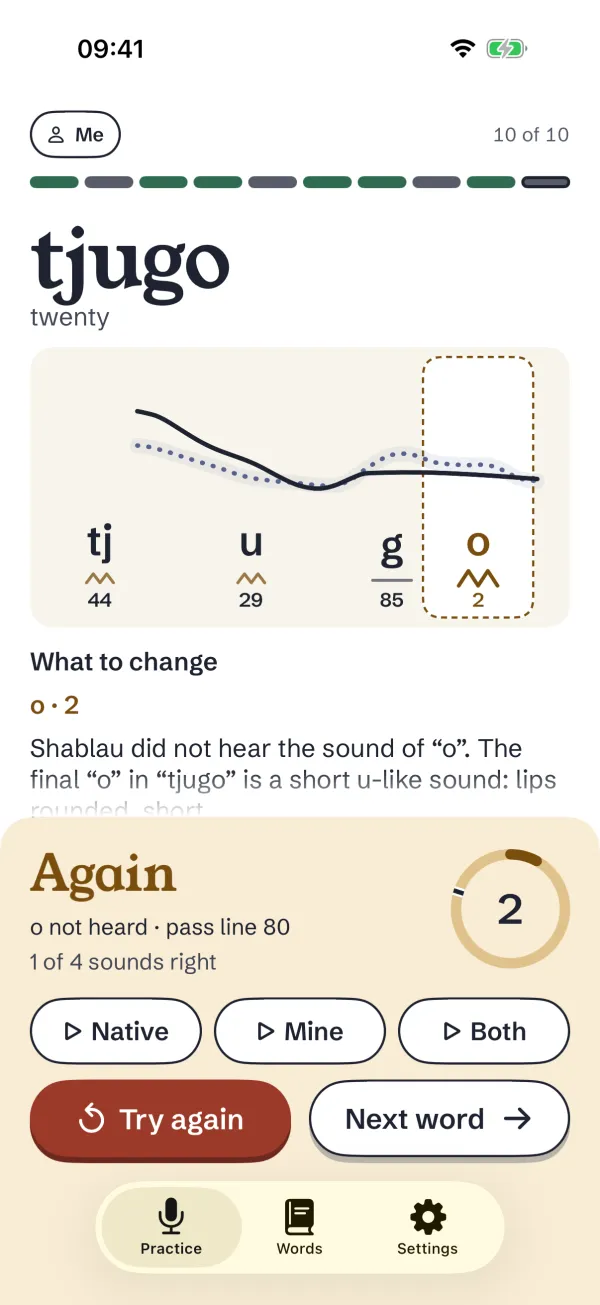
Again. One sound to change, and how.
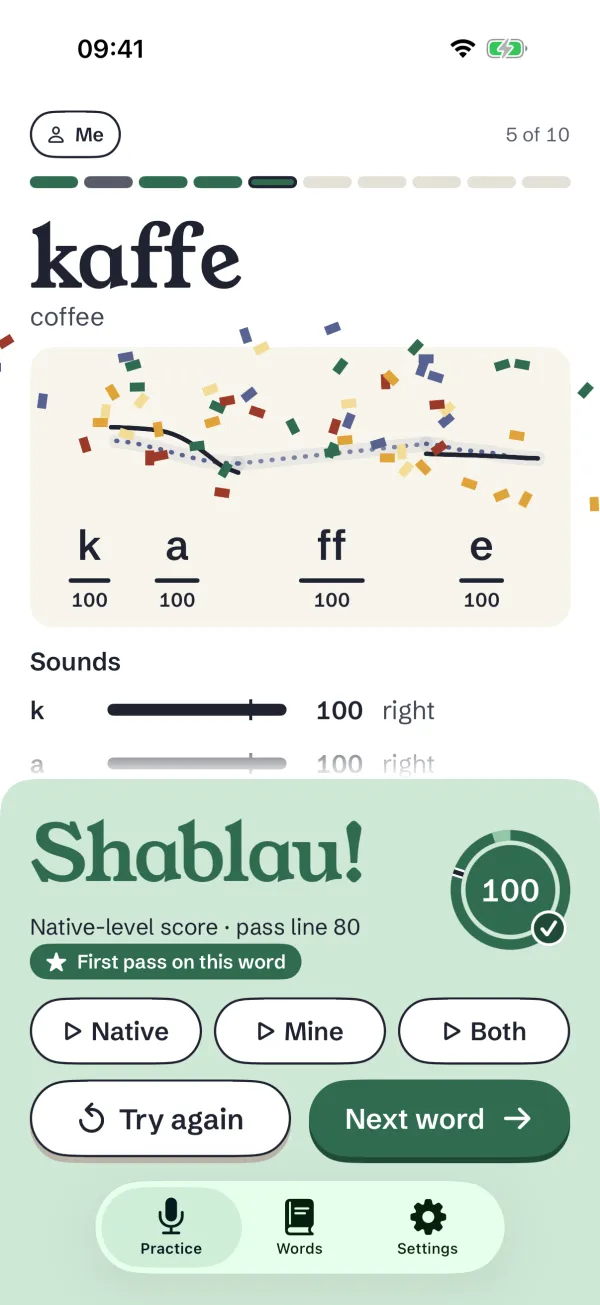
Shablau! A pass, with confetti the first time.
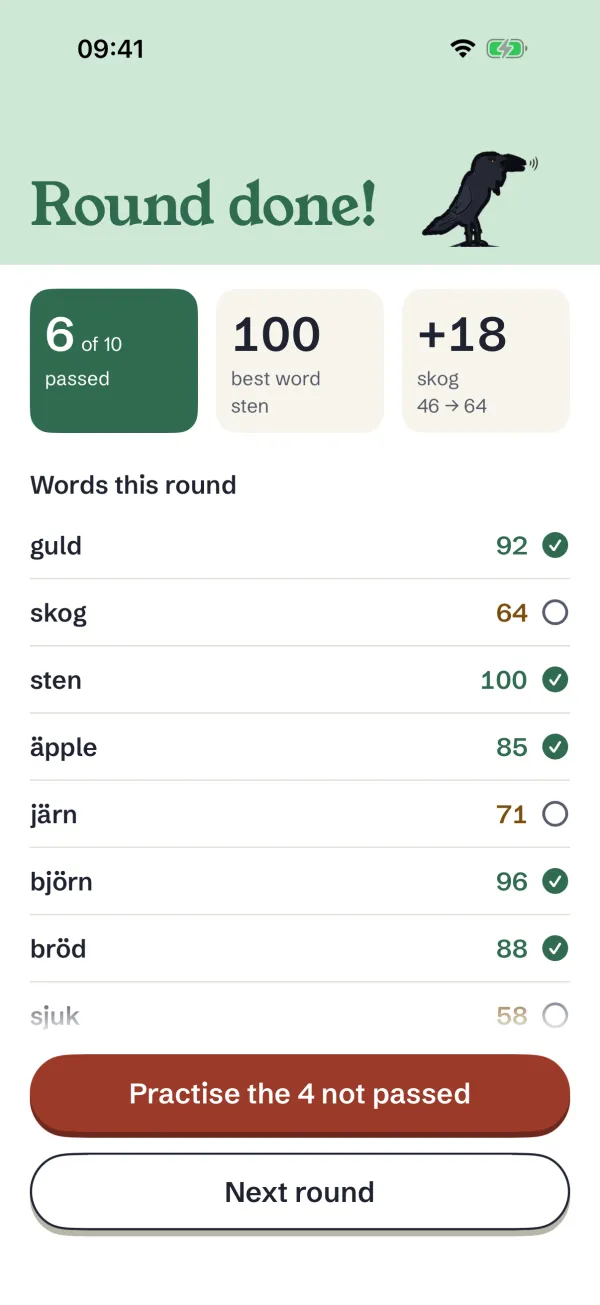
Round done. Which words passed, and what improved.
Privacy
Shablau has no accounts, no ads, no analytics and no tracking.
The app scores your voice on the phone. It works without an internet connection.
The app makes no network requests. We cannot see your recordings or your scores.
Recordings and scores stay on your iPhone. Turn off “Keep my recordings” in Settings, and the app saves only the scores.
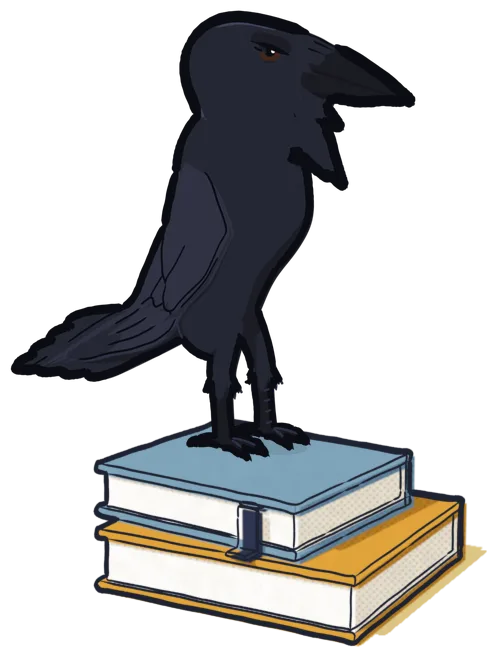
Free, on iPhone
While Shablau is in testing, you install it through Apple's TestFlight app.
Apple reviews each test version before new testers can join. If the TestFlight page says the test is not open, try the link again later.
The native speakers you hear in the app come from public recordings: the Lexin pronunciation recordings from Institutet för språk och folkminnen (Isof), under CC BY 4.0, and recordings from Wikimedia Commons and Lingua Libre, each under its own licence (CC0, CC BY or CC BY-SA). To score your voice, the app also compares it with recordings from the NST Swedish speech database (CC0), published by Språkbanken at the National Library of Norway.
The app lists every speaker and licence under Settings › Licences and credits. The typefaces are Young Serif and Schibsted Grotesk, under the SIL Open Font License (Young Serif licence, Schibsted Grotesk licence).